

I got the call on a Wednesday.
Galavant’s owners wanted me to know that he was scheduled to be euthanized that Saturday. They weren’t asking me to do anything — just letting me know. He’d been living with them for about eight months after I trained him, and something had happened. A man tried to break into the house. Galavant bit him.
I asked for two weeks.
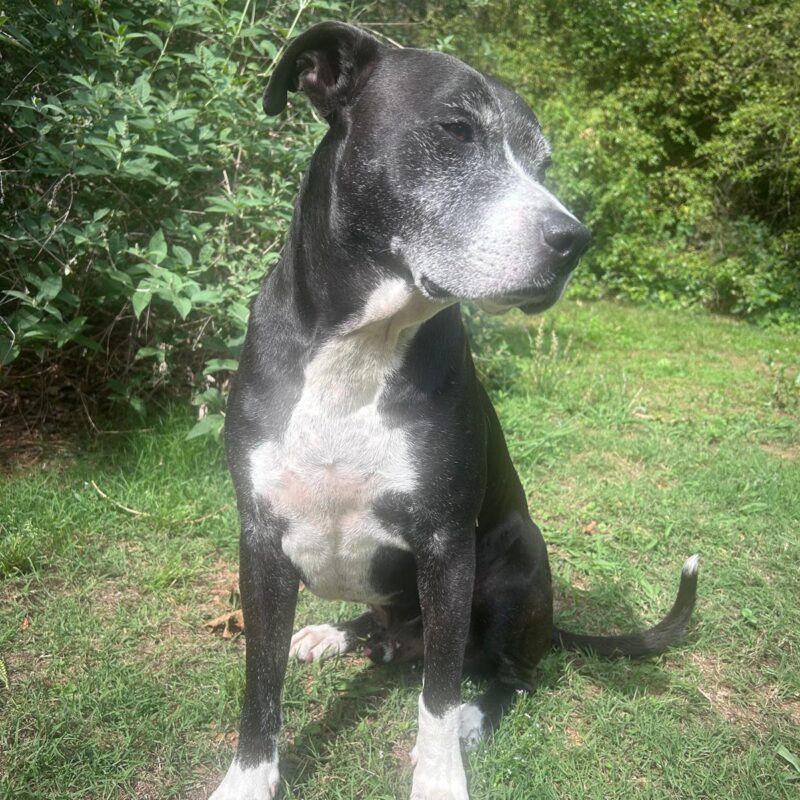
I’d worked with Galavant before, and I knew what he was capable of — not the biting, the other thing. The capacity for trust that nobody had ever bothered to develop in him. He was a pitbull-lab mix with a past that would have made most trainers say no: multiple bites, several families, a few trips to the hospital. When I first evaluated him, I didn’t handle him. In over a thousand dogs, I’ve only done that twice. He was that reactive and the reactivity in a dog can lead to dangerous behavior.
The Truth Behind the Label
When we call a breed dangerous, we’re doing something convenient and something harmful at the same time. Convenient because it gives us a simple explanation. Harmful because it lets everyone off the hook — the breeders, the owners, the systems that failed the dog long before anyone got hurt.
I’ve worked with pitbulls, rottweilers, Dobermans, German shepherds. I’ve also worked with small breeds that would bite without hesitation if they could do more damage. The breed tells me about energy level, about physical capacity, about some tendencies I’ll need to account for. It does not tell me what that dog will do.
What shapes a dog’s behavior is this: its history, its environment, and the consistency of the people around it. A dog that grew up with no structure, unspent energy, and learned that aggression was the only thing that the saved him, that dog is going to be reactive. It doesn’t matter what breed it is.
What Georgia’s law actually says
This surprises people: Georgia state law doesn’t ban any breed. It doesn’t classify pitbulls or rottweilers as inherently dangerous. Instead, it evaluates individual dogs based on their behavior — has this specific dog attacked someone? That’s the legal question. Not: what breed is it?
Some municipalities around Atlanta have local restrictions — Marietta prohibits certain breeds from dog parks and off-leash areas, for example. But the city of Atlanta itself has no breed ban. The law, when it works well, looks at the dog in front of it. That’s the right approach.
What happened with Galavant
I brought him home. I started over with obedience drills, and also with basic trust-building. Calm exposure. Consistent rules. Clear leadership without punishment or force. It was a long process. He came to me with years of fear in his body, and that doesn’t leave in a week.
What I found underneath all of it was a dog that was deeply, almost desperately loyal. He needed to know who was in charge, that the people around him weren’t going to hurt him, and that he didn’t have to be on guard every second of every day. Once he knew those things, everything else followed.
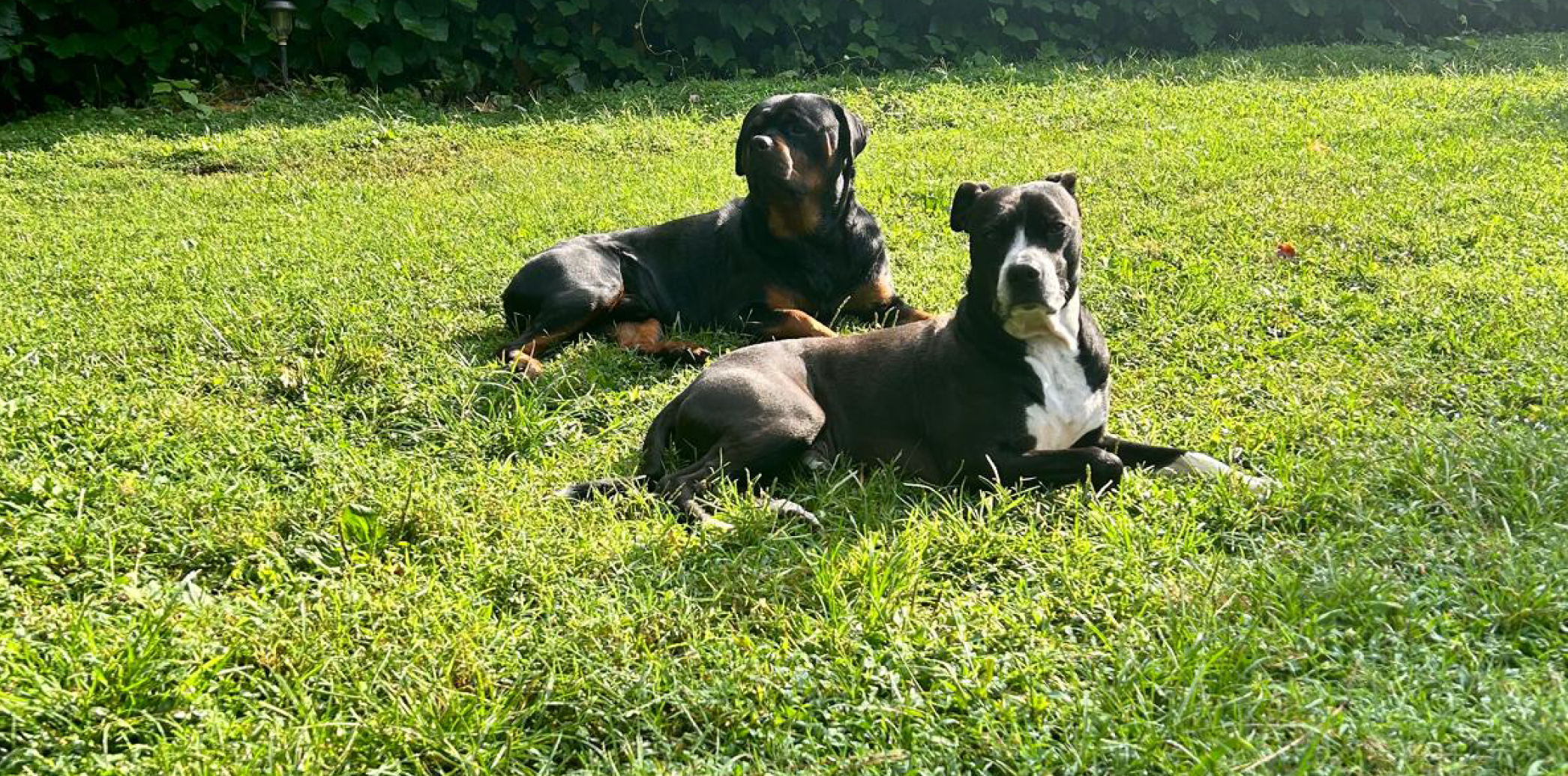
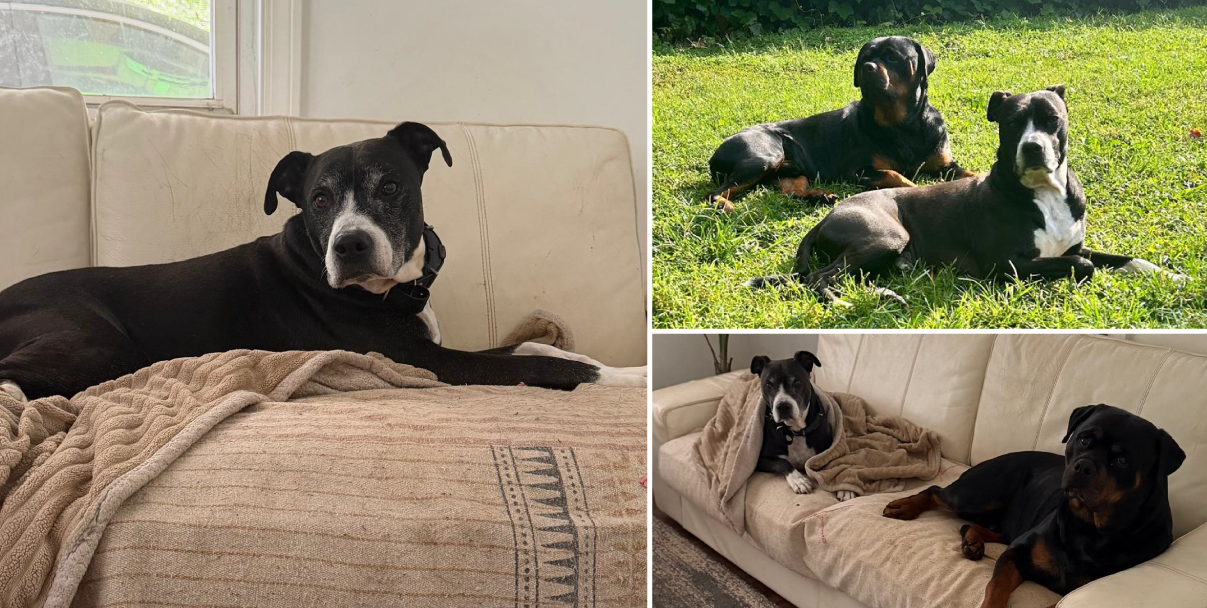
Galavant has lived with me for four years now. He and Thor — my rottweiler — are best friends. He protects the house. He greets the people I trust. He is, without question, one of the most devoted dogs I’ve ever had.
He was never dangerous. He was failed. There’s a difference.